
Help! There’s No Water In My House!

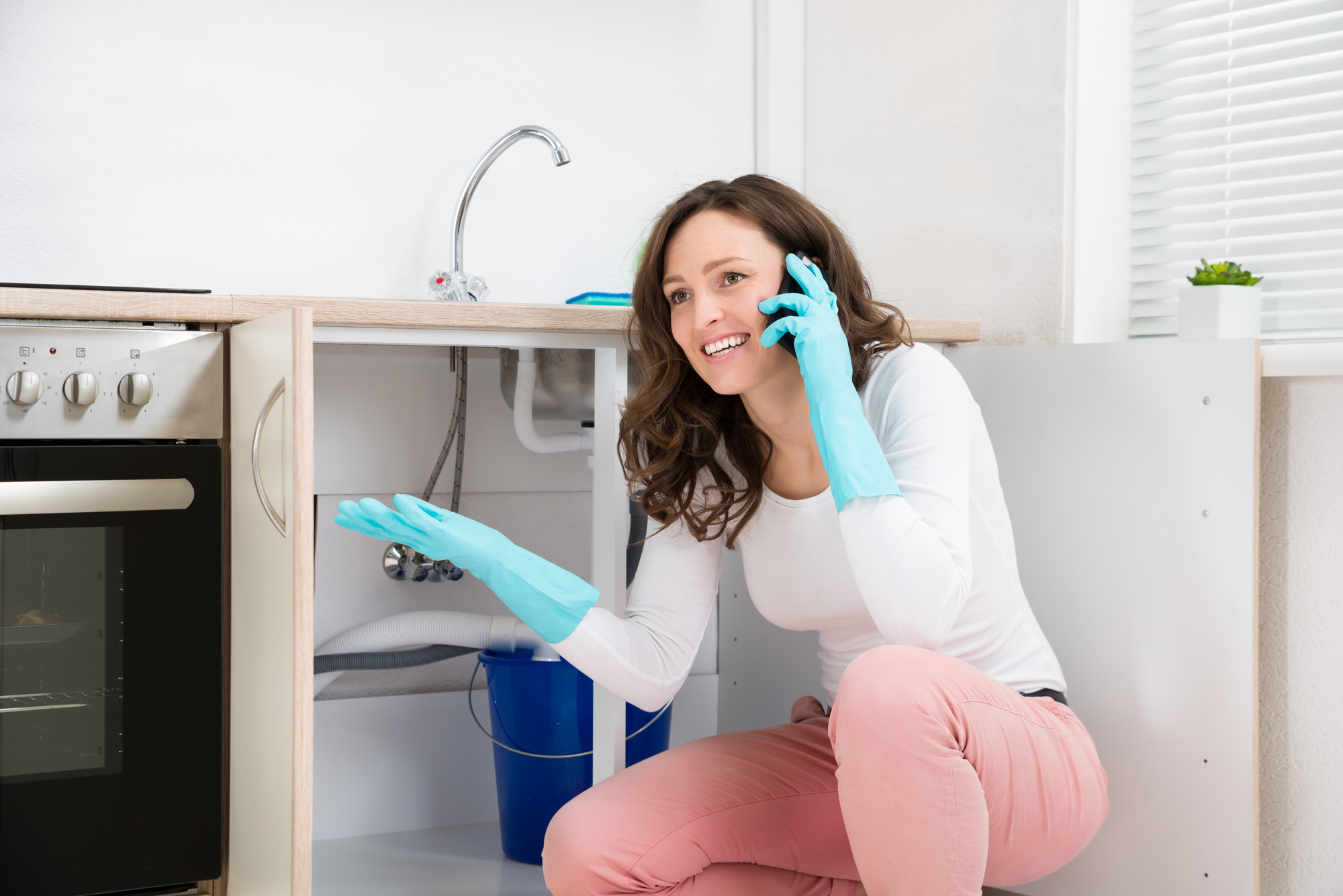
Help! There’s No Water In My House!
The toilet isn’t flushing. The kitchen sink handle turns, but no water fills the cup. No matter where or when the problem emerges, the sudden discovery of no water in the house often causes fear and worry. Consequently, figuring out why there’s no water is an urgent matter, and one that may require help from water professionals, like the Aqua Pump Company.
Property owners know that water emergencies, like other home repair needs, sometimes happen. Scheduling routine maintenance, such as water testing and well repair, and having the contact information for emergency water service providers are proactive measures to help protect against and prepare for any water problem. As water specialists, we understand that any disruptions in water access cause significant concern. To help, the following highlights some common reasons for no water in the house and why it is important to fix the problem quickly.
Why is there suddenly no water in my house?
Sometimes, having no water in the house can be anticipated. For example, when water utility companies conduct routine maintenance on the water system in your area, the water supply may be shut off temporarily. Similarly, the following complications may also result in water shut offs:
- If there is a sewage back up, the water supply may be stopped to fix the problem.
- If there is a water contamination problem, either from natural disasters or other chemicals getting into the water, water use may be restricted or unavailable. This unexpected occurrence may also encourage you to conduct water testing to protect your family, even if you have already done it as part of your yearly maintenance.
- If there is deteriorating infrastructure with the water system, extreme weather like hurricanes, or construction work, water main breaks may occur. Therefore, there may be no water in the house, until the necessary repairs can be made.
In addition to utility company-related water supply issues, no water in the house that happens suddenly may be due to property-specific issues. Here are some reasons why your faucets may run dry in just one room or why there may be no water throughout the home:
- Many factors like freezing or old age can cause broken pipes. Broken pipes can lead to water leaks, which may require water to be turned off or result in no water at all.
- Issues with a well pump, its power supply, or the well structure itself may result in no water to the home. Including well maintenance as part of your home care routine can help reduce the potential need for emergency well repair.
- Changes in water pressure may also make it seem that there is no water available.
- No water to the home may also stem from water meters that aren’t functioning properly or discontinued service due to unpaid water bills or other disconnected utility issues.
Why is no water in the house an emergency?
Not having access to safe, clean, and quality water clearly interferes with many daily basic activities and health needs, like bathing, cooking, cleaning, and hydration. However, there are also some additional risks and dangers that accompany no water in the house.
- Health risks and bacterial infections may be more likely if the usual sanitary practices can’t be completed, like hand-washing.
- Like you, the entire plumbing system in the home can also be stressed out. With water pressure changes or sudden water surges, pipes may burst or new leaks can happen, resulting in property damage or more expensive repair needs.
- Without available water, fire-related emergency services may be compromised.
- Vulnerable individuals, like babies or those with already limited mobility or medical conditions, may be even more likely to experience health and safety risks.
What should I do once I determine that the water is not working in the house?
One option is to immediately contact a water expert. This choice may provide you with the greatest peace of mind and support in navigating this problem. Barring any evidence of severe and noticeable leaks or flooding that may be causing no water to be available, you might also take 5-10 minutes to do some quick research on your own, before calling the professionals. This fast check can help you confirm that the source of the problem is actually specific to your home.
First, check with neighbors and/or contact the utility company to see if the problem might be an area-wide concern. After all, you may have just missed the memo that water would be shut off for a certain time period due to construction or general upkeep. Similarly, you could do your own self-assessment on your property. Here are some steps to consider:
- Confirm that your last water bill was paid and that you are up-to-date with all service requirements. You could also call the utility company to double-check their records.
- Evaluate your plumbing system to the best of your ability.
-
- Check out your main water shutoff valve, which is usually where the main water line enters your home. Is it open fully?
- Wherever water moves in your home, is there any leaking or water damage? Look under sinks and around toilets, as well as in your basement or in closets or other spaces where there is piping.
- Test your faucets to see if having no water is specific to one room or an issue throughout the building. Turn on both the hot and cold taps individually, instead of just one per sink.
Is there no water in your house? Resolve any water problems quickly and thoroughly to avoid health risks and greater property damage. For emergency services, water filtration systems, PFAS testing, and more, the Aqua Pump Company is here to help homeowners across Connecticut and in multiple western Massachusetts locations.