What to Do About Coliform Bacteria in Well Water


What to Do About Coliform Bacteria in Well Water
For many homeowners throughout Connecticut and western Massachusetts, well water is the primary source of drinking, cooking, and bathing water. And while well water can be clean, refreshing, and reliable, it isn’t automatically safe. One of the most common and concerning issues private well owners face is the presence of coliform bacteria in well water. If you’ve recently received a water test result flagging coliform, you’re not alone. More importantly, you don’t have to panic. Here’s what coliform in water actually means, how it gets into your well, and exactly what to do about it.
What Is Coliform Bacteria?
Coliform bacteria are a broad group of microorganisms found naturally in the environment. Typically, coliform is found in soil, vegetation, and the digestive tracts of warm-blooded animals. While most coliform bacteria are not inherently harmful, their presence in your water supply is a red flag. It signals that your well may have been compromised by surface water, animal waste, or other outside contamination.
There are two key distinctions to understand:
- Total Coliform: A general indicator of possible contamination. The presence of total coliforms doesn’t automatically mean your water is dangerous, but it does call for additional testing and should not be ignored.
- E. coli (Fecal Coliform): A specific subset of coliform bacteria that originates directly from human or animal fecal matter. Finding E. coli in a water test is a more serious concern and indicates a direct pathway for pathogens to enter the water supply.
According to the U.S. Environmental Protection Agency (EPA), zero coliform bacteria is the standard for safe drinking water. Any detection, even a small amount, should be taken seriously by well owners.
How Does Coliform Get Into Well Water?
Understanding how coliform bacteria enter your well is key to both treating it and preventing it from coming back. Common causes include:
- Surface water intrusion: Heavy rain or snowmelt can carry bacteria-laden runoff into a poorly sealed or damaged well casing.
- Well cap or casing damage: Cracks, gaps, or deteriorated seals allow insects, small animals, and surface water to enter the well.
- Nearby septic systems: A failing or improperly located septic system can leach fecal coliform bacteria into the surrounding soil and groundwater.
- Flooding: Wells in low-lying areas are particularly vulnerable after significant flood events.
- Agricultural runoff: Properties near farms or areas with heavy wildlife activity may be at higher risk of contamination from animal waste entering groundwater.
- Old or shallow wells: Older wells with deteriorating infrastructure or those that don’t extend deep enough into protected aquifers are more susceptible to surface contamination.
Homeowners with older or unmaintained wells should be especially vigilant, as aging infrastructure is among the most common culprits of coliform contamination.
Is Coliform Bacteria in Well Water Dangerous?
The short answer is: it depends, but warrants immediate action. Total coliforms alone may not be directly harmful, but they indicate that your water’s treatment barriers have been compromised. If total coliform is present, E. coli or other disease-causing organisms may be present as well, even if they weren’t specifically detected in a given sample.
Consuming water contaminated with E. coli can cause serious gastrointestinal illness, including nausea, vomiting, diarrhea, and stomach cramps. Vulnerable populations, including young children, the elderly, pregnant women, and those with compromised immune systems, face the greatest health risks.
If your test results show any level of coliform bacteria in your well, stop using the water for drinking or cooking until the issue is properly addressed by an experienced, trusted water technician.
What To Do If You Find Coliform in Your Well Water
Finding coliform in your water test is understandably alarming, but it is a fixable problem. To help provide some peace of mind, if coliform is discovered, then the following is the general process to address the issue.
-
Stop Drinking the Water
As soon as coliform is confirmed, switch to bottled water for drinking and cooking until your well has been treated and retested.
-
Identify the Source
Before treating the water, it’s important to understand why coliform is present. A qualified well water technician can inspect your well casing, cap, and surrounding area to detect possible entry points. This step is critical because treating the water without fixing the underlying cause means the contamination is likely to return.
-
Shock Chlorinate the Well
Shock chlorination is the most common first-line treatment for coliform bacteria in a well. It involves introducing a high concentration of chlorine (typically household bleach) directly into the well to kill bacteria throughout the system, including the casing walls, pump, and distribution lines. This process must be done correctly to be effective. Professional experience is required because the right concentration, dwell time, and flushing procedure all matter. If done improperly, it can be ineffective or even damaging to well components.
At Aqua Pump Company, our technicians perform professional shock chlorination as part of our comprehensive well repair and maintenance services, ensuring the job is done right.
-
Retest Your Water
After treatment and flushing, your well should be retested (typically at least 10 to 14 days after chlorination) to confirm that coliform bacteria have been eliminated. Importantly, water testing is the only way to know for certain whether your water is safe. A single positive result, followed by a negative after treatment, is a good sign. Multiple positive results or recurring contamination suggest a more major structural or environmental situation that requires attention.
-
Consider a Permanent Treatment Solution
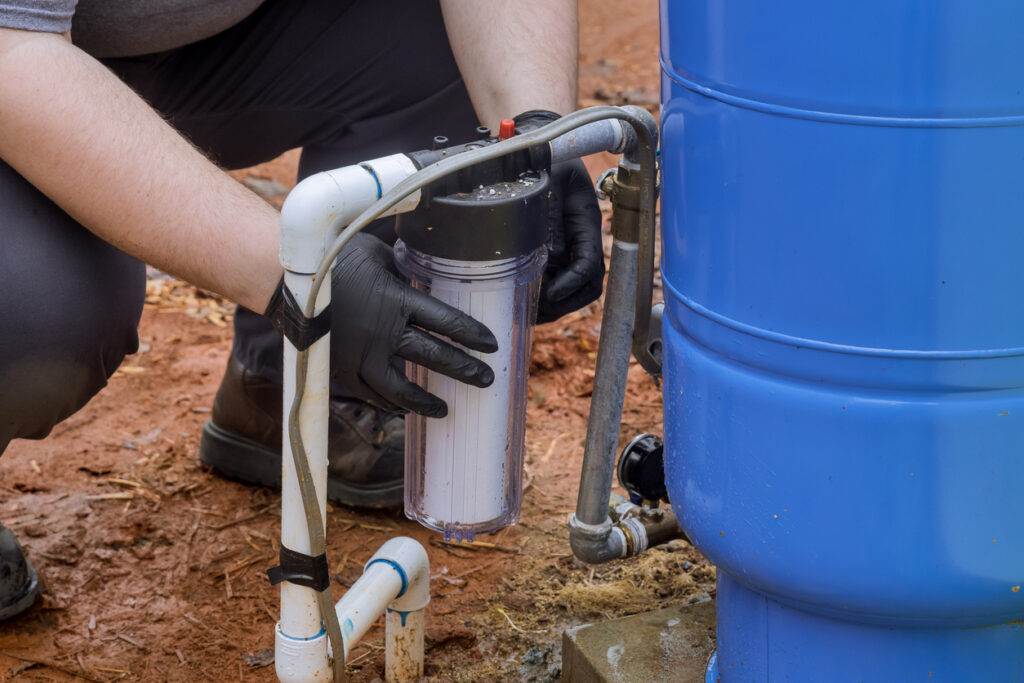
If coliform in your well water is an ongoing problem, a permanent water filtration or disinfection system may be the best long-term investment. Options include:
- UV Disinfection Systems: Ultraviolet light systems are highly effective at neutralizing bacteria, viruses, and other pathogens without introducing chemicals into the water. They are a common option for well owners dealing with ongoing bacterial concerns.
- Chlorination Systems: Continuous chemical feed systems can provide ongoing disinfection for wells with persistent bacterial contamination.
- Whole House Filtration: A whole-house filtration system with a disinfection stage can provide comprehensive protection at every tap in the home.
Our team can evaluate your specific situation and recommend the most appropriate water filtration and conditioning solution for your home and water quality.
How Often Should You Test Your Well for Coliform?
The Centers for Disease Control and Prevention (CDC) recommends that private well owners test for coliform bacteria at least once a year, and more frequently if any of the following apply:
- There has been recent flooding or heavy rainfall near your well.
- You notice a change in your water’s taste, odor, or appearance.
- Someone in the household has experienced unexplained gastrointestinal illness.
- Work has been done on your well or nearby plumbing.
- A new baby or an immunocompromised individual has joined the household.
Annual water testing is one of the simplest and most important things a well owner can do to protect their family’s health.
Protecting Your Well Water with Aqua Pump Company
Discovering coliform bacteria in your well water is stressful, but it’s a problem with real, proven solutions. The key is acting quickly, identifying the source, and working with experienced professionals who appreciate the unique challenges of private well systems in New England.
With over 50 years of experience serving homeowners throughout Connecticut and western Massachusetts, the Aqua Pump Company specializes in water testing, well maintenance, and water treatment systems designed to keep your water safe year-round. Whether you want a one-time shock chlorination or a comprehensive long-term filtration solution, our certified technicians are here to help.
Don’t wait on water quality concerns. Contact the Aqua Pump Company today to schedule water testing or speak with one of our water quality specialists.