
Annual Well Maintenance Checklist & Warning Signs You Should Never Ignore

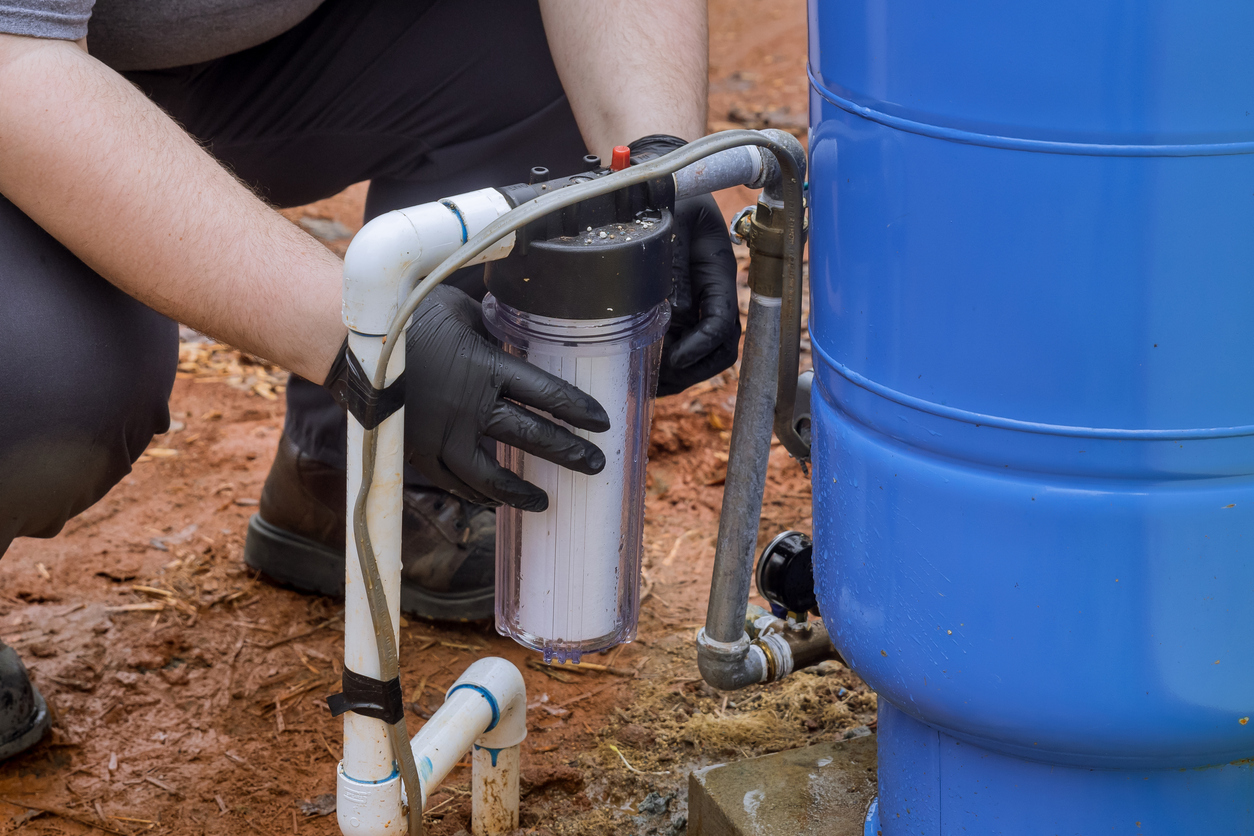
Annual Well Maintenance Checklist & Warning Signs You Should Never Ignore
Consistent, clean water delivery to every tap in your home happens around the clock thanks to water wells. Usually, the system operates quietly and reliably. However, because it runs continuously, regular maintenance is essential to keep it functioning correctly. Just like any constant system, it typically provides warning signs before a serious malfunction occurs. To help ensure water quality and consistency, the following covers what to check, test, and listen for throughout the year. It also helps you recognize when a routine water issue has crossed into emergency territory.
Why Annual Well Maintenance Matters
Private wells are not monitored by a public water authority. That means the responsibility for water quality and system performance falls entirely on the homeowner.
The good news is that most well problems don’t appear without warning. A failing pump, a contaminated water supply, or a pressure issue will usually show symptoms before they become a full breakdown. Fortunately, annual maintenance is how you catch those symptoms early, when the fix is simple and affordable, rather than on a Saturday night when you have no water.
DIY Annual Well Maintenance Checklist
Work through these tasks once a year, ideally in the spring, to keep your well working smoothly. Also, if you move into a home with a private well and didn’t complete a well water inspection or have records of the last inspection, this checklist is a great starting point.
-
Test Your Water
At a minimum, well water should be tested annually, and more often if you have a baby, notice a change in taste or smell, have nearby agricultural or construction activity, or have a recent flood. Have your water tested by a certified laboratory for:
- Coliform bacteria, which is the most common sign of contamination from surface water or well casing damage.
- Nitrates, which are especially important for households with infants, and common in agricultural areas.
- pH levels as low pH (acidic water) corrodes pipes and fixtures over time.
- Hardness because high mineral content affects appliances, plumbing, and water quality.
- Iron and manganese, naturally occurring in New England groundwater, that cause staining, odors, and taste issues.
Warning signs to watch: If your water changes color, develops an odor, or tastes different than usual, test immediately. Do not wait for your annual test.
The Aqua Pump Company offers free in-office water testing (and can arrange for lab testing, as needed). If you have specific concerns about arsenic, radon, or PFAS, contact us today and we’ll provide a personalized plan to ensure your water supply remains safe.
-
Inspect the Wellhead
Walk outside and take a look at where your well enters the ground. This simple, but crucial task takes about five minutes and can catch problems before they become serious. During the inspection, look for:
- Damage to the well cap or casing. Cracks, gaps, or a loose-fitting cap can allow insects, debris, and surface water to enter the well.
- Standing water near the wellhead. Pooling water after rain is normal, but standing water that doesn’t drain within a day or two may be directing runoff toward the well.
- Vegetation is growing too close. Roots can damage casing over time; keep a clear area around the wellhead.
- Fuel storage, pesticide containers, or chemicals stored nearby. These should be kept well away from the wellhead to prevent contamination.
Warning signs to watch: A cracked casing, a missing or damaged well cap, or visible corrosion around the wellhead requires immediate professional attention. These are entry points for contamination.
-
Check Your Water Pressure
Steady water pressure is a reliable indicator of system health. During any water pressure checks, run the water at multiple fixtures and pay attention to how the pressure feels compared to normal. Signs of a developing pressure problem include:
- Fluctuating pressure with strong one moment and weak the next often points to a waterlogged pressure tank.
- A gradual reduction in pressure over weeks or months can indicate a pump beginning to struggle.
- Air spurting from faucets is a sign of air in the pressure tank, typically meaning the bladder has failed.
- Slow recovery after heavy use signals an issue. If the water pressure takes an unusually long time to return to normal after running multiple fixtures, your pump may not be keeping up.
Warning signs to watch: Sudden, complete loss of pressure is an emergency. Stop using the system and call right away.
A properly functioning system should maintain steady water pressure between 40 and 60 PSI. If you don’t already have a pressure gauge installed on your system, ask your technician to add one during your next service visit.
-
Inspect the Pressure Tank and Pump Components
Once a year, check the pressure tank and any accessible pump components in your utility area.
During the inspection, look for:
- Corrosion or rust on the tank exterior.
- Moisture or water stains around pipe connections can indicate a slow leak.
- The pressure switch and listen for a clicking sound that repeats frequently without water running. This sound signals short-cycling and stresses both the tank and pump.
- The age of the system, as most submersible well pumps last 8 to 15 years, and pressure tanks typically last 10 to 15 years. If your system is approaching or past those thresholds, include a professional inspection in your annual schedule.
Warning signs to watch: Short-cycling, unusual tank sounds, or visible water damage around components require a service call before the problem worsens.
-
Review Your Filtration and Treatment Equipment
If your home has a water softener, iron filter, reverse osmosis unit, or any other treatment equipment, include it in your annual review.
Check:
- Check the salt level in your water softener brine tank and top off as needed, and look for salt bridges (hardened crusts that prevent proper dissolution).
- Follow filter cartridge replacement schedules, and keep in mind that most whole-house sediment filters need new cartridges every 3 to 6 months, depending on water quality.
- UV system bulbs, which typically need to be replaced annually regardless of appearance.
- Any leaks, drips, or corrosion at connection points.
Warning signs to watch: If your treatment equipment seems to be running continuously, regenerating too frequently, or producing water that smells or tastes different than normal, have it inspected right away.
-
Sanitize the Well (Every 3 to 5 Years, or After a Contaminant Event)
Well sanitization, which is typically done with a chlorine solution, flushes bacteria and organic material from the casing, pump, and distribution lines. It is recommended:
- Every 3 to 5 years, as part of routine maintenance.
- After any repair work on the well or pump.
- After a flood or surface water intrusion event.
- Any time a water test comes back positive for coliform bacteria.
Sanitization is a job for a professional because improper concentration or contact time can damage pump components or leave residual chlorine in your water supply.
Well Water Warning Signs That Require an Immediate Call
The checklist above is designed to catch developing problems before they become emergencies. But some conditions require a call right away vs next week or after you’ve done some online research. If you experience any of the following emergencies, contact your local well water company, like The Aqua Pump Company, immediately:
- No water at all. If you turn on a tap and nothing comes out, your pump has likely failed, or your system has lost power. This is an emergency and will not resolve on its own.
- Sudden and dramatic drop in pressure. A gradual change over weeks is a maintenance issue. A sudden, significant change in hours is an emergency that needs immediate attention.
- Water that is brown, red, or cloudy and has not cleared after running the tap for several minutes. This can indicate sediment intrusion from a damaged casing, a disturbed aquifer, or a failing pump drawing material it should not be drawing. Call right away.
- Water that smells strongly of sulfur, sewage, or chemicals. Sudden odor changes can indicate bacterial contamination or a change in your water source. Treat this as urgent. Call right away.
- Grinding, clicking, or banging sounds from your pump or pressure tank. These sounds mean mechanical components are under stress. Running a failing pump compounds the damage, so call right away.
- Visible flooding or pooling around your wellhead after a storm. Surface water intrusion can quickly contaminate a well. Stop using the water and call immediately.
Some maintenance tasks, such as checking salt levels, replacing filter cartridges, and walking the wellhead, are straightforward homeowner work. Additionally, water testing is something you can initiate, though the analysis itself requires a certified lab.
However, anything involving the pump, pressure tank, casing, electrical components, or sanitization should be handled by a licensed well contractor. Well systems involve high-voltage components and work that must meet state and local health regulations. As a result, improper repairs can introduce contamination, void insurance coverage, or cause avoidable pump failure.
Schedule Your Annual Well Inspection Today
If you are not sure when your system was last serviced, the answer is that it is due. The Aqua Pump Company has provided comprehensive well inspections, water testing, pump service, and emergency response across western Massachusetts and Connecticut since 1965. Our certified technicians handle well repair, pump service, water testing, water filtration, and 24-hour emergency response. We will assess your system, test your water, and give you a clear picture of the current situation with no pressure to do more than your system actually needs.
Do it once, do it right! Contact us to schedule a visit today.